Flagship Smartphone Camera Infrastructure: Periscope Telephoto Optics, 1-Inch Sensors, and AI ISP Computation
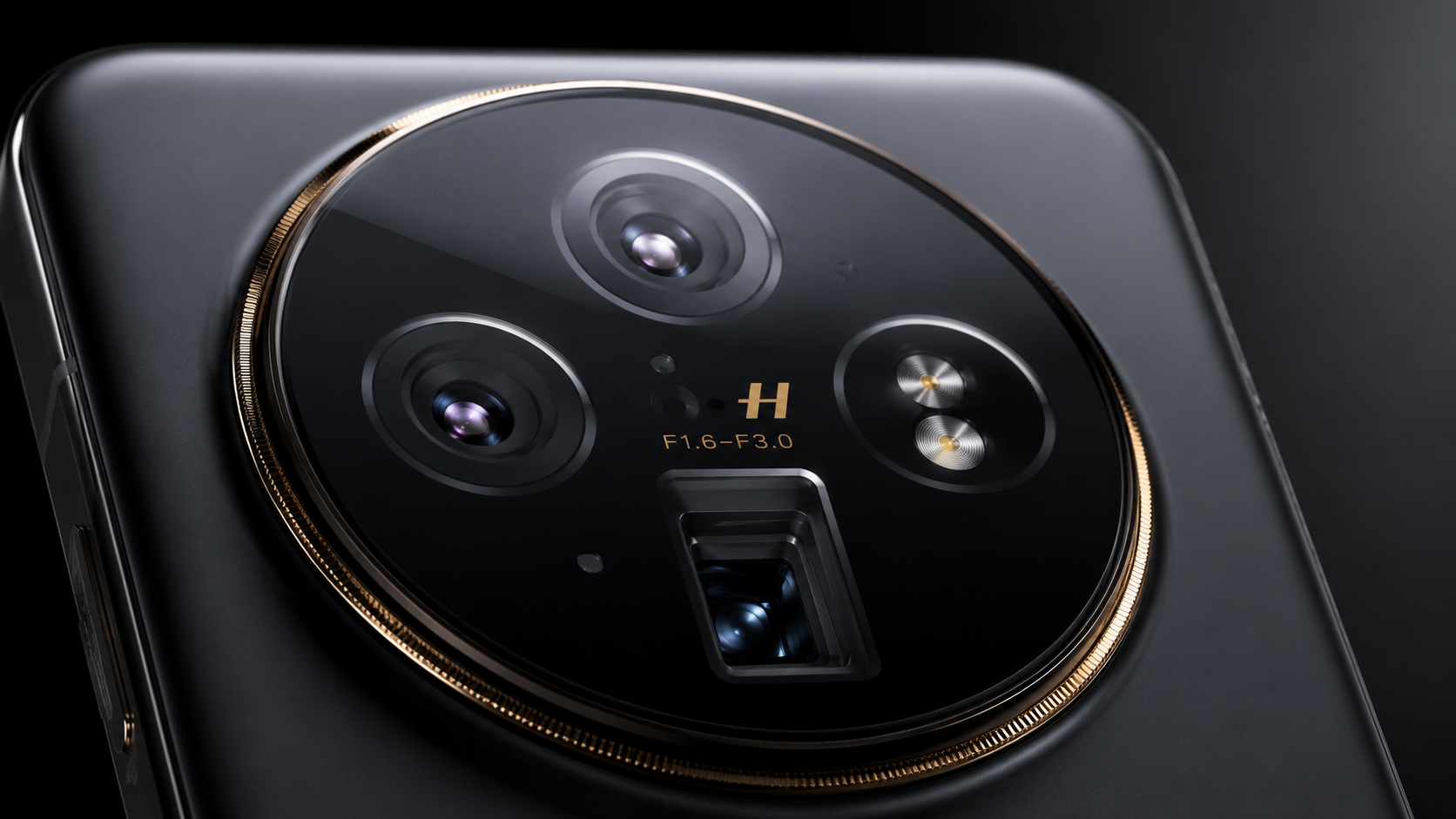
The premium smartphone market has transformed from a war of megapixel counts into a sophisticated battle of optical engineering and computational silicon. Mobile device original equipment manufacturers (OEMs) are deploying 1-inch mobile image sensors, custom Neural Processing Units (NPUs), and periscope folded-telephoto lenses to match the dynamic range and resolving power of dedicated mirrorless cameras.
1. Hardware Architecture: 1-Inch Sensors and variable Apertures
Integrating large-format sensors into ultra-slim mobile chassis requires complex mechanical and optical compromises:
-
1-Inch Type Image Sensors (Sony LYT-900 / IMX989): By utilizing individual pixel sizes of 1.6µm (and up to 3.2µm with 4-in-1 pixel binning), flagship main cameras capture significantly more photons in low-light environments, achieving natural hardware bokeh without artificial software blur.
-
Periscope Telephoto Optics: Utilizing prism-based folded optics allows smartphone cameras to achieve 5x to 10x true optical zoom vertically aligned along the body, preventing physical lens protrusions while maintaining high focal length precision.
-
Stepless Variable Apertures: Physical dual-aperture blades (e.g., switching between f/1.4 and f/4.0) allow mobile photographers to control depth of field and avoid optical diffraction in high-brightness outdoor scenes.
2. Computational ISP and Real-Time NPU Pipelines
Sensor raw data must be processed within milliseconds through specialized Image Signal Processors (ISPs) and AI acceleration blocks:
| Processing Layer | Key Mechanism | Performance Impact |
| Multi-Frame HDR Synthesis | Combines 8–16 RAW exposures in milliseconds | Eliminates blown highlights and shadow noise in high-contrast scenes |
| Real-Time Semantic Segmentation | AI identifies skin tones, sky, foliage, and textiles independently | Applies tailored sharpening and color science to specific image zones |
| Zero Shutter Lag (ZSL) Algorithms | Continuous buffer stream captures frames prior to shutter press | Prevents motion blur in fast-moving sports or low-light action shots |
3. Commercial Impact and High-Margin Upgrades
For mobile carriers and retail platforms, camera performance remains the single largest driver of consumer upgrade cycles. Premium trade-in programs, mobile device insurance packages, and flagship carrier subsidies are heavily built around consumer demand for cutting-edge camera hardware, driving high average revenue per unit (ARPU) across the mobile ecosystem.