Enterprise Flagship Smartphones: Mobile Security, Hardware-Level Encryption, and Corporate Fleet Management
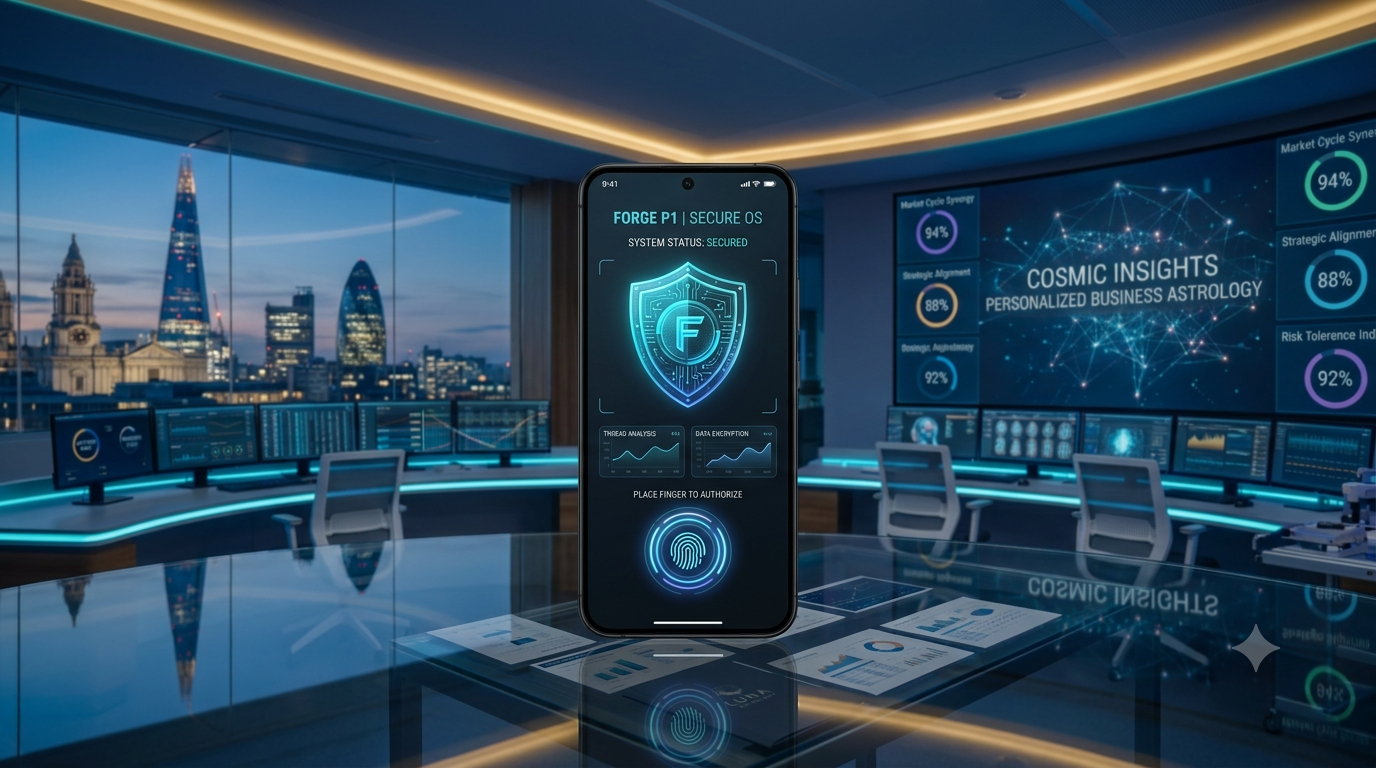
As hybrid work environments become the corporate standard, enterprise mobility management (EMM) relies heavily on high-performance mobile devices. Modern flagship smartphones are no longer just consumer gadgets; they are mission-critical enterprise endpoints equipped with dedicated security coprocessors, hardware-level encryption, and advanced biometric authentication to protect sensitive corporate data against sophisticated cyber threats.
Core Security Features in Modern Flagship Devices
Enterprise IT departments prioritize specific hardware and software security layers when provisioning flagship fleets:
-
Hardware-Based Secure Elements (SE): Dedicated security chips isolate sensitive cryptographic keys, biometric templates, and authentication credentials from the main operating system.
-
Zero-Trust Containerization: Advanced sandboxing allows dual-boot or containerized environments, completely separating personal user data from corporate networks and applications.
-
AI-Driven Threat Detection: On-device neural processing units (NPUs) analyze system behavior in real time to detect zero-day malware and unauthorized network sniffing without compromising battery life.
-
Remote Wipe and MDM Integration: Enterprise Mobile Management (EMM) protocols allow remote IT administrators to lock, track, or selectively wipe enterprise data if a device is lost or compromised.
Maximizing ROI Through Long-Term Device Support
Investing in premium flagship fleets offers a lower total cost of ownership (TCO) compared to mid-range devices. Leading flagship manufacturers now offer up to seven years of enterprise security patches and operating system updates, ensuring compliance with global data protection regulations and extending the hardware lifecycle.